Thakali is an endangered indigenous language of Nepal. It belongs to the Sino-Tibetan language family. The language is used as a first language by older adults only. It is taught as a subject of instruction in some schools.
At a Glance
Geography
Clickable world globe showing country outlines
Population
Less than 10K
Details
This graph shows the general size of the language with respect to its mother tongue speakers, and in relation to all the other languages of the world. The possible size ranges from largest to smallest are:
1 billion plus - this language has more than 1 billion L1 users
1 million to 1 billion - this language has between 1 million and 1 billion L1 users
10K to 1 million - this language has between 10 thousand and 1 million L1 users
10 thousand or less - this language has between 1 and 10 thousand L1 users
None - this language has no L1 users
Language Vitality
Details
This graph shows the vitality of Thakali.
Institutional — The language has been developed to the point that it is used and sustained by institutions beyond the home and community.
Stable — The language is not being sustained by formal institutions, but it is still the norm in the home and community that all children learn and use the language.
Endangered — It is no longer the norm that children learn and use this language.
Extinct - The language is no longer used and no one retains a sense of ethnic identity associated with the language.
These four summary levels have been derived by grouping levels in the Expanded Graded Intergenerational Disruption Scale (EGIDS), which is the more fine-grained scale that Ethnologue uses to assess the status of every language in terms of development versus endangerment; see Language Status for a description of the levels of that scale. See also the pages on Development and Endangerment for more discussion.
Digital Language Support
Details
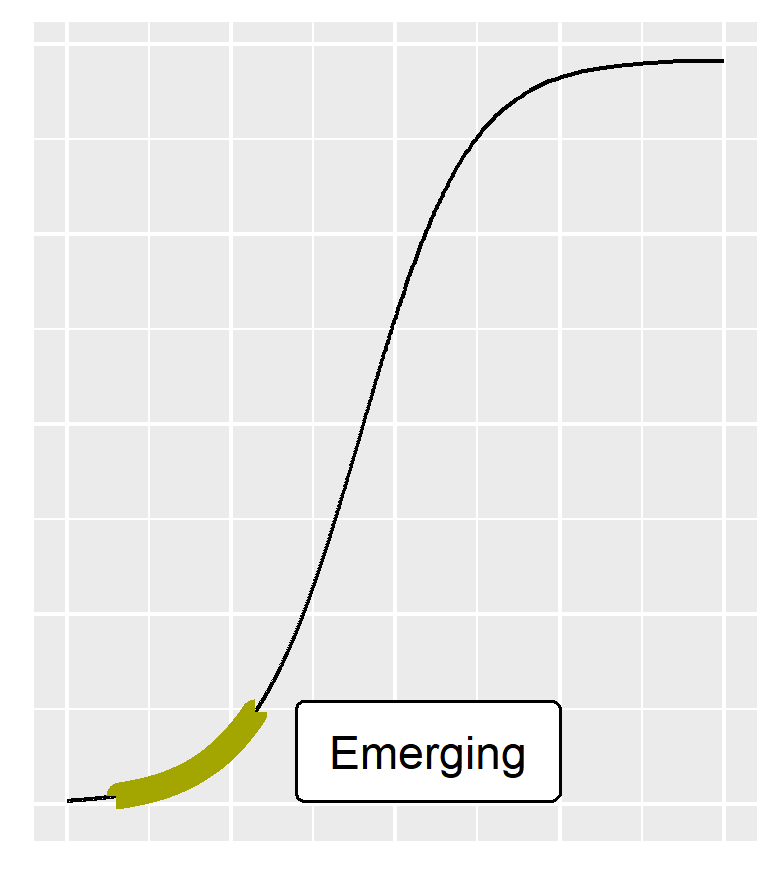
This graph shows the level of digital support for this language (as measured by the method described here.
Still — this language shows no signs of digital support
Emerging — the language has some content in digital form and/or encoding tools
Ascending — the language has some spell checking or localized tools or machine translation as well
Vital — the language is supported by multiple tools in all of the above categories and as well as some speech processing
Thriving — the language has all of the above plus virtual assistants
This section reports contributions that have been received for the Ethnologue description of this language. Please read the community norms page for more information on contributing.